Segmented Campaigns
By strategically segmenting your customers and offering personalised promotions, you can boost engagement, drive repeat purchases, and build lasting customer loyalty. Whether you're targeting new customers, loyal buyers, or seasonal shoppers, this guide provides actionable campaign ideas to help you turn your Karla tracking page visit into a valuable sales opportunity.
How Segment Matching Works
Understanding how segments are evaluated is crucial for setting up effective campaigns:
Segment Evaluation Timing
The system checks which segments a customer belongs to at two critical moments:
- At order placement - When the order is first created
- At order fulfillment - When the order is fulfilled (this is the final check)
The segments determined at fulfillment are what ultimately decide which campaign is shown. If a customer's segments change after fulfillment, the order will not be updated. This is intentional behavior to ensure consistency.
Campaign Selection Logic
Default Campaign Fallback
If a customer has no segments that match any of your live campaigns, the default campaign will be displayed.
Example: A customer has segments A, B, and C, but you only have live campaigns for segments D, E, F, and Default → The Default campaign will be shown.
Multiple Matching Campaigns
When a customer has multiple segments that match different live campaigns, the system will display one campaign based on the first match found. Since there is no explicit ordering of segments associated with an order, this introduces a degree of randomness into the system.
Example: A customer has segments A and B, and you have competing campaigns for both segments → One campaign will be shown based on which segment the system matches first.
This randomness is actually beneficial when you have multiple campaigns competing for the same order, as it allows for natural A/B testing scenarios.
1. New Customers
Objective: Encourage first-time buyers to make a repeat purchase and build brand loyalty.
Basic Promotion: Next Order Discount
| English | German | |
|---|---|---|
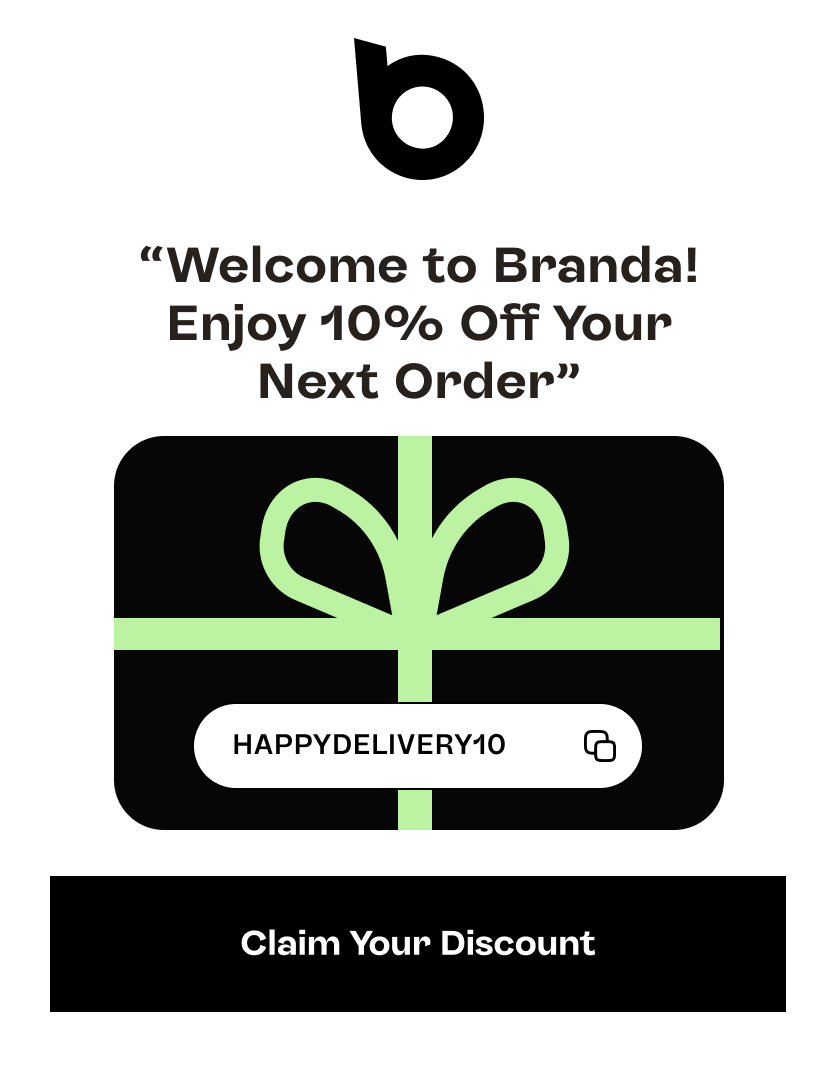
| Title | "Welcome to [Brand Name]! Enjoy 10% Off Your Next Order" | "Willkommen bei [Brand Name]! Sichere dir 10% Rabatt auf deine nächste Bestellung" |
| Button CTA | "Claim Your Discount" | "Rabatt sichern" |
Basic Promotion: Newsletter Signup
| English | German | |
|---|---|---|
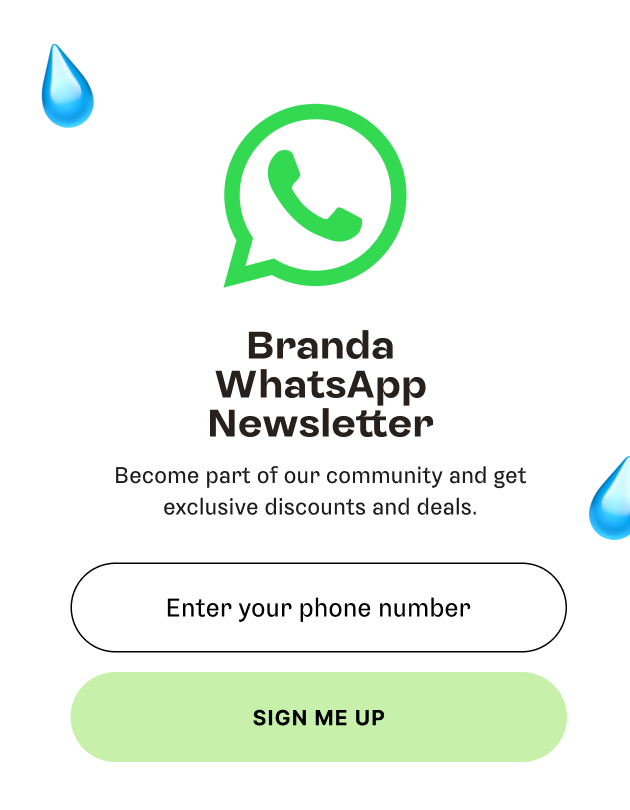
| Title | "Join & Enjoy 10% Off Your Next Order!" | "Melde dich an & erhalte 10% Rabatt auf deine nächste Bestellung!" |
| Button CTA | "Sign Up Now" | "Jetzt Anmelden" |
Basic Promotion: Accessories Discount
| English | German | |
|---|---|---|
| Title | "Complete Your Look – Get €10 Off Accessories!” | "Vervollständige deinen Look – Erhalte 10€ Rabatt auf Accessoires!” |
| Button CTA | "Shop Accessories” | "Accessoires (Zubehör) Entdecken” |
Basic Promotion: Free Gift with Purchase
| English | German | |
|---|---|---|
| Title | "A Special Gift Just for You!” | "Ein besonderes Geschenk für dich!” |
| Button CTA | "Claim Your Gift” | "Geschenk Sichern” |
Additional Ideas:
- Offer free shipping on the next order if placed within 7 days.
- Create an exclusive welcome bundle with bestsellers at a special price.
- Free downloadable style guide, e-book or product care tips.
2. Repeat Customers
Objective: Strengthen brand loyalty and increase the frequency of repeat purchases.
Basic Promotion: Subscriptions
| English | German | |
|---|---|---|
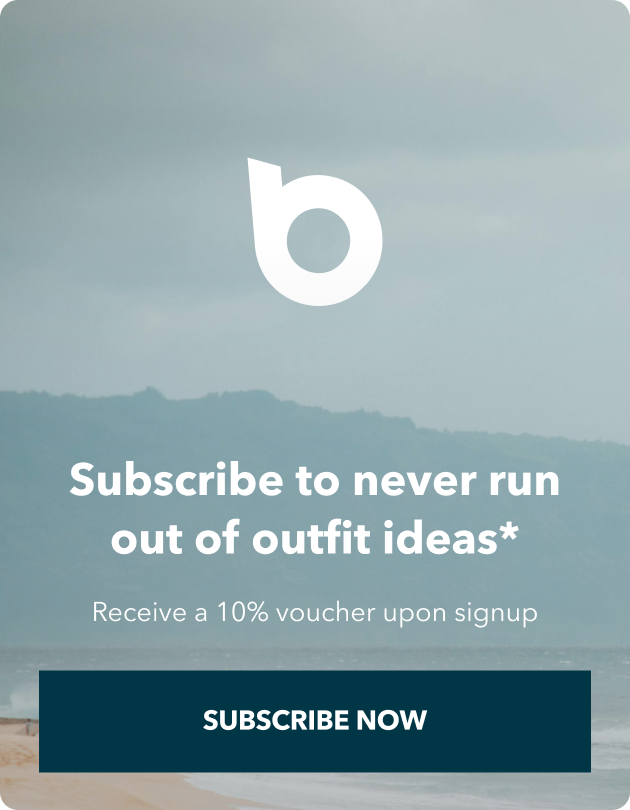
| Title | "Never Run Out – Subscribe & Save 15%!" | "Nie wieder leer – Abonniere & spare 15%!" |
| Button CTA | "Subscribe Now" | "Jetzt Abonnieren" |
Basic Promotion: App
| English | German | |
|---|---|---|
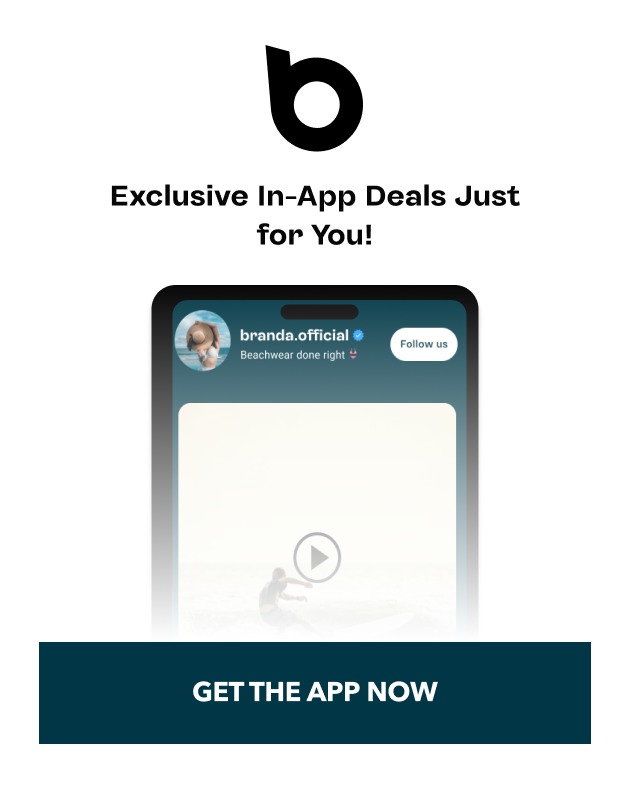
| Title | "Exclusive In-App Deals Just for You!" | "Exklusive In-App Angebote nur für dich!" |
| Button CTA | "Get the App" | "App Holen" |
Basic Promotion: WhatsApp Delivery Updates Signup
| English | German | |
|---|---|---|
| Title | "Track Your Order Instantly on WhatsApp!” | "Verfolge deine Bestellung jetzt über WhatsApp!” |
| Button CTA | "Sign Up for Updates” | "Jetzt für Updates Anmelden” |
Basic Promotion: Referral Program
| English | German | |
|---|---|---|
| Title | "Refer [Brand Name] & Get €10 Off Your Next Order!” | "Empfehle [Brand Name] & erhalte 10€ Rabatt auf deine nächste Bestellung!” |
| Button CTA | "Refer Now” | "Jetzt empfehlen” |
Basic Promotion: Membership Sign-Up
| English | German | |
|---|---|---|
| Title | "Members Save More! Join Today” | "Mitglieder sparen mehr! Jetzt beitreten” |
| Button CTA | "Join the Club” | "Jetzt Mitglied Werden” |
Additional Ideas:
- Early access to new collections or limited-time offers.
3. Various Product Promotions
High Spending Customers: Product Promotion - premium product upsells
| English | German | |
|---|---|---|
| Title | “Luxury Add-ons to Elevate Your Style” | "Luxuriöse Extras, die deinen Stil aufwerten” |
Price-Conscious Customers: Product Promotion - Budget-Friendly Deals
| English | German | |
|---|---|---|
| Title | "Great Deals Under €20 – Shop Now!” | "Top-Angebote unter 20€ – Jetzt shoppen!” |
Cross-category Upsell: Product Promotion - products from a different category
| English | German | |
|---|---|---|
| Title | "Have you already tried XYZ? We think you’ll love it!” | "Hast du schon XYZ ausprobiert? Wir glauben, du wirst es lieben!” |
Product Bundles: Product Promotion
| English | German | |
|---|---|---|
| Title | "Save Big with Our Exclusive Bundles!” | "Spare groß mit unseren exklusiven Bundles!” |
4. Recipe Guides for Food & Beverage Brands
Objective: Encourage repeat purchases by providing added value.
Basic Promotion
| English | German | |
|---|---|---|
| Title | "Exclusive Recipe Guide – Free with Your Order!” | "Exklusives Rezeptheft – Gratis zu deiner Bestellung!” |
| Button CTA | "Download Now” | "Jetzt Herunterladen” |
5. Discount-Loving Customers (Frequent Deal Shoppers)
Objective: Encourage higher spending by offering tailored discounts.
Basic Promotion / Product Promotion
| English | German | |
|---|---|---|
| Title | "More Savings, Just for You! Grab an Extra 20% Off!” | "Mehr sparen, nur für dich! Extra 20% Rabatt!” |
| Button CTA | "Shop the Sale” | "Zum Sale” |